


Gin & Calamansi from the Philippines
October 16th, 2018 | Landgänge
A small bottle of gin, brought by a very, very dear colleague on board set this story in motion: The petite Filipino lady handed my dearest captain a farewell bottle of Philippine gin. “We’ll drink it in the Philippines with calamansi fruit, never with lemon, Captain!”, she said with a smile.
After returning home we went in search of Calamansi fruits and found that obviously it’s quite difficult in the “Metropolregion Hamburg” as they call it here. But we did not want to violate Filipino habits, so we kept the bottle closed for the time being.
One day, my dearest captain came home with a small tree, just under a meter tall with a small crown, dark green leaves and flowers that gave off the unmistakable aroma of citrus blossom. “Now, all we have to do is wait until the first Philippine gin…”, he said, blindly trusting my green thumb…

Good things take a while... good gin as well
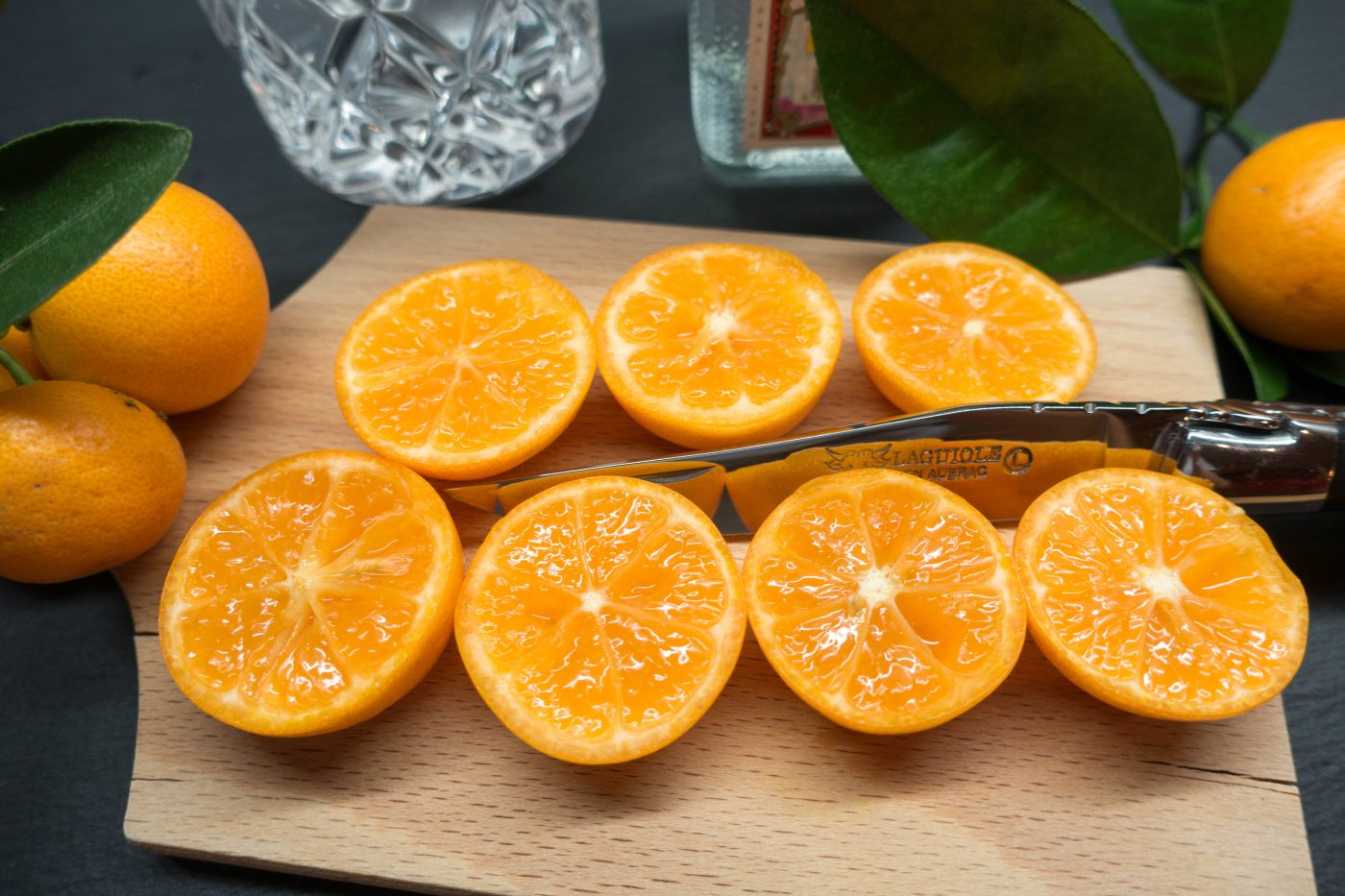
Almost a year has passed since then and lo and behold, we have harvested the first fruits. Half the size of tangerines. Our calamansi tree is full of orange fruits. One to two centimeters in diameter, they remind of small tangerines. In the cut they look appetizing, bright orange and to bite juicy and sweet. Although, they are not really sweet! Sweet, but also sour, and harsh. Less sour than lemons, but more like tangerines. It is difficult to describe this taste.
Botanically correct, our tree is a calamondin orange, the species has probably emerged from a cross between kumquat and tangerine. The Calamansi is grown today mainly in the Philippines (and in our winter garden 😊). A glass of water with a halved calamansi tastes delicious. I will definitely experiment with ice cream and desserts. Maybe a calamansi tart or a gin and tonic pie with calamansi?


Ginebra San Miguel with Tonic & Calamansi
Ginebra San Miguel is the name of our precious gift from the Philippines. Founded around 1834 it is considered the best-selling gin in the world, furthermore it is said that the Philippines is the number one gin drinker nation in the world. Ginebra San Miguel is a gin made from sugarcane and not distilled on a cereal basis as usual, with a pronounced juniper aroma.
Now my dearest captain is back on board and I tasted the first Philippine gin with tonic and calamansi – for testing purposes – alone. In a few weeks he will be back, until then there are still enough calamansi fruits hanging on the tree. Then we will toast together to our dear Filipino girlfriend!
Cheers!


 Tags:
Tags: Leave me a message
Leave a Reply

Shore leave St. Cruz de La Palma/Canary Islands
The Italian ship’s doctor, known for his passion for good food, invited us to this restaurant. He has been visiting it for years on every port stay in Santa Cruz. Now we know why. A tiny house with an even tinier kitchen, six tables, great taste and even greater hospitality. Happy, who gets a table at Doña Carmen, at the ENRICLAI in Santa Cruz de La Palma.
read more
Women’s power and the color lilac
I would describe myself as a wine lover, but definitely not as wine connoisseurs. I know if I like the taste of a wine or not. And, Yes, I confess that the label of a bottle for me is not quite irrelevant. Therefore, maybe my favorite color lilac was somewhat of a guide when I placed my first wine order in Nierstein [also known as Riesling city at the banks of river Rhine]. Because Lisa likes lilac. Now, the shooting star of the young German wine makers has promised to give her personal wine recommendations for selected Captain’s Dinner menus. And this is the way it happened.
read more
Poppy seed cake
A crispy brown baked curd-oil dough forms the basis for this cake. The juicy poppy layer is topped by buttery-tasty crumbles. Whipped cream may but has not have to be. Any questions?
read more
Hi Madam Bettina,
I’m so thankful that you give importance to what I gave, it’s very overwhelm from side, thank you so much and god bless always.
Rona
Php
Dear Rona,
thank you for your comment! What a pity that we do not see us this time onboard. I wish you a good time at home in the Philippines, have nice holidays and enjoy every day!
A big hug to you and your family!
Bettina